

Outdoor planters are one of the best ways to start container gardening in any outdoor space. Whether you’re a landscape architect, environmental designer, or just a humble homeowner, understanding the ins and outs of outdoor planters is a surefire way to really wow customers and guests with your greenery. However, when most people begin gardening outdoors, one common question they have has to do with figuring out what are the most durable outdoor planters?
This is an extremely common question for good reason. Compared to gardening indoors, when you start container gardening outside, you’re going to have to take far more factors into consideration, of which we’ll dive into later. Once that’s understood, we’ll then compare all the most common planter materials to decide which one ranks as the best material for outdoor planting. The post will end with some FAQ’s regarding durable planters, and several of our favorite ideas for growing plants outdoors–It won’t be long before you have all the knowledge you need to create your own outdoor garden oasis!
Check out this guide on Custom Planters to see what all the possibilities are.
Table of Contents
What’s The Difference Between Indoor And Outdoor Planters?
Indoor Planters
Light Conditions
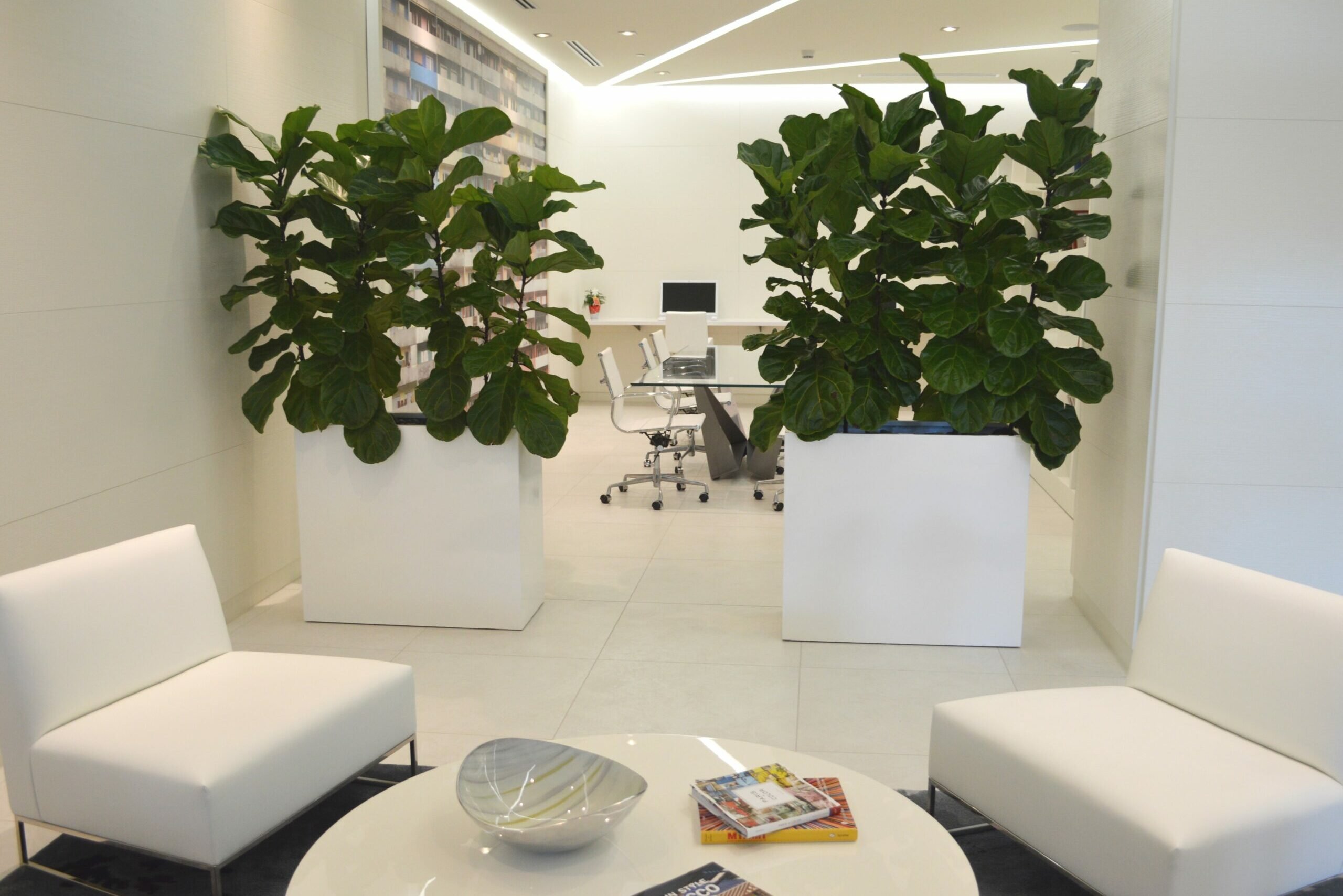
Indoor planters need to consider the availability of natural light or artificial lighting sources to ensure plants receive adequate light for growth. Plant pots need to be set near windows to ensure proper light requirements are met. If windows are unavailable, there needs to be some source of artificial light.
Watering and Drainage
Indoor planters typically require more attention to watering since they may not receive natural rainfall. Drainage must be carefully managed to avoid water damage or overwatering–Drainage holes always help!
Humidity
Indoor environments tend to have lower humidity levels, so planters may need to monitor and adjust humidity levels to create suitable conditions for certain plants.
Size and Scale
Indoor planters are usually smaller in scale, as they are designed to fit within interior spaces and accommodate limited room.
Temperature and Climate Control
Indoor environments have controlled temperatures, so planters need to consider the optimal temperature ranges for different plant species. Technology like air conditioning and fans can also greatly affect temperature.
Aesthetics and Design Integration
Indoor planters often need to blend with interior decor and design schemes, requiring consideration of aesthetics and visual appeal. With proper understanding of how plants works with interior design, it’s possible to create breathtaking displays of green.
Outdoor Planters

Exposure to Sunlight
Outdoor planters must account for varying sunlight conditions throughout the day, including direct sunlight, partial shade, or full shade. Different plants have different light requirements so it’s vital to fully understand how much sunlight a plant needs when potting outdoors.
Weather Resistance
Outdoor planters must withstand exposure to weather elements such as rain, wind, and temperature fluctuations. Materials used should be durable and resistant to outdoor conditions.
Plant Selection
Outdoor planters offer a wider range of plant options, including those that require more space to grow (trees) or have specific outdoor preferences (cold-hardy plants).
Size and Scale
Outdoor planters can be larger and more expansive, accommodating larger plants or multiple plants in a single container. This offers a more grandiose display of nature.
Landscaping Integration
Outdoor planters can be used as focal points or elements in larger landscape designs, allowing for greater creativity and incorporation into overall outdoor aesthetics. However, as is the case with planting indoors, it’s crucial to understand a plant’s caretaking requirements for optimal growth.
Drainage And Water Management
Outdoor planters need to have adequate drainage systems to prevent water logging and allow excess water to escape. Once again, drainage holes help a lot. They should also consider natural rainfall as a water source.
Ready to go big? Check out this Guide To Large Pots For Trees
What’s The Best Material For Durable Outdoor Planters?

Plastic Planters
Plastic planters are lightweight, affordable, and available in various colors and styles. They are resistant to water damage and easy to clean, making them low-maintenance options for outdoor use. However, the issue with plastic planters come after long exposure to sunlight, which can damage the material and demand a need for replacements. For this reason, plastic containers should be avoided for use outdoors.
Wood Planters
Wood planters offer a natural and rustic aesthetic. They can be made from cedar, redwood, or teak, which are resistant to decay and insect damage. However, wood planters may require periodic maintenance to preserve their appearance and durability, especially after rainfall or other weather conditions. As such, wooden planters should be avoided for use outdoors.
Terracotta Planters
Terracotta planters are made from baked clay, offering a classic and timeless look. They provide good breathability for plants’ root systems, but they can be prone to cracking in freezing temperatures. Due to this, terracotta pots should be avoided when as outdoor planter material.
Concrete Planters
Concrete planters are durable and heavy, providing stability in outdoor settings. They come in a range of shapes and sizes and can be customized. However, they may require sealing to prevent cracking and staining. They are also extremely heavy which makes it difficult to transport. As such, concrete planters should be avoided for use outdoors.
Metal Planters
Metal planters, such as those made from stainless steel, offer a sleek and modern appearance. They are highly durable and weather-resistant, but some metals may require corrosion prevention treatments. They are also extremely heavy which is why metal containers should be avoided when planting outside.
Ceramic Planters
Ceramic planters come in various styles and designs, offering decorative options for outdoor spaces. They are typically more delicate than other materials, requiring protection from freezing temperatures and potential breakage. This is why ceramic pots should be avoided.
Fiberglass Planters

Fiberglass planters are lightweight yet durable, making them easy to handle and resistant to cracking. They are weather-resistant, able to withstand temperature fluctuations and UV exposure. Fiberglass planters are also available in various shapes, sizes, and finishes, providing versatility in design options. They can mimic the appearance of other materials like concrete or metal while being more lightweight and easier to move. Additionally, fiberglass is non-porous, allowing for better moisture retention and preventing water damage to the planter structure. For these reasons, fiberglass planters are the best material for outdoor planters.
More on why fiberglass planters are the best material for outdoor planters? Find out How Long Fiberglass Planters Take To Decompose!
FAQ’s About Durable Planters!

What makes a planter durable?
Durable planters are typically made from materials that can withstand outdoor conditions, including weather elements like rain, sunlight, and temperature fluctuations. They should be resistant to cracking, fading, and deterioration over time.
How long can durable planters last?
The lifespan of durable planters varies depending on factors like planter material, maintenance, and exposure to harsh conditions. With proper care and maintenance, well-made fiberglass planters can last for several years, ranging from 5 to 20 years or more.
Can durable planters handle extreme temperatures?
Durable planters like fiberglass planters are able to handle a wide range of weather and temperature conditions. Of course, outdoor planter materials like concrete and metal can also generally handle a wide range of temperatures. However, these come with cons that outweigh the pros.
I heard plastic planter were durable–Is this untrue?
Not all plastic planters are created equal in terms of durability. Plastic pots made from high-quality, UV-resistant plastics can withstand prolonged sun exposure and retain their structural integrity over time. However, plastic planters bought from any average store are not as durable as the aforementioned type. This is why we recommend going for fiberglass planters as your best bet.
Can durable planters be moved easily?
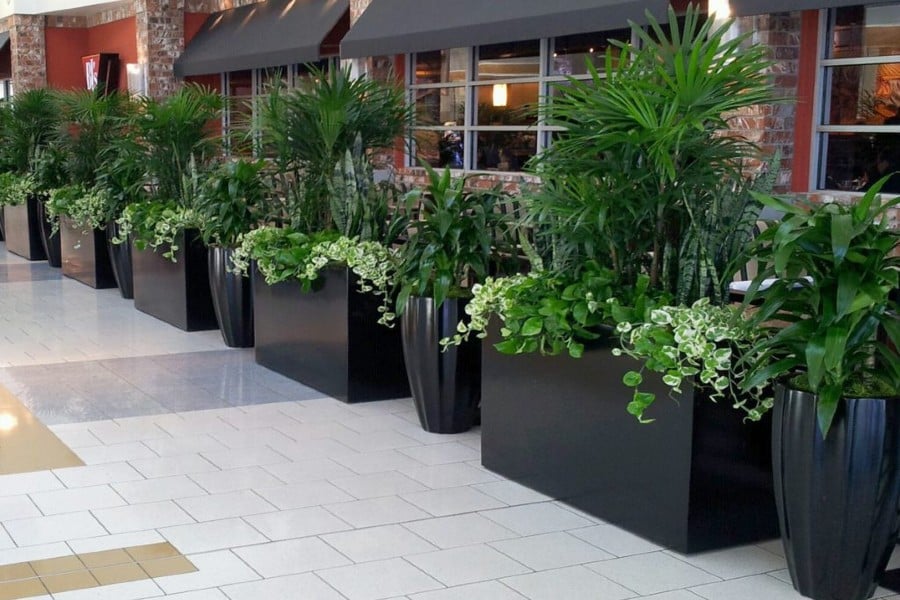
Once again, the ease of moving durable planters depends on the material and size. Fiberglass planters are generally lightweight and easier to move compared to heavy planter material like concrete and metal. Consider the weight and accessibility of the planter if you think you may be moving it around often.
Are durable planters suitable for all plant types?
Durable planters can accommodate a wide range of plant types. However, as is the case with container gardening in general, t’s important to consider the specific needs of your plants, such as watering requirements, size, and root space. Some plants may require additional insulation or protection during extreme temperatures, which is why you want to choose the most durable outdoor planter material when potting outside.
Still unconvinced? Read up on this post about whether Fiberglass Planters Are Good For The Outdoors
5 Ideas For Outdoor Fiberglass Planters!
1. Vertical Garden Display

Create a stunning vertical garden by mounting several fiberglass planters of varying sizes and shapes on a wall or fence. Plant cascading or trailing plants in the top planters and work your way down with larger, upright plants. Not only does this arrangement add visual interest, it also maximizes space!
2. Herb and Vegetable Garden
Use fiberglass planters to grow a variety of herbs and vegetables on your patio or balcony. Group several planters together and plant herbs like basil, parsley, and thyme, as well as veggie varieties like cherry tomatoes, peppers, and lettuce. Enjoy fresh herbs and produce right at your fingertips!
Want to learn how to measure pots? Figure out How To Measure Plant Pots
3. Flowering Focal Points

Select large, statement-making fiberglass planters to serve as focal points in your outdoor space. Plant vibrant, flowering plants like Roses, Hibiscus, or Hydrangeas for a burst of color. Place these planters strategically on your patio, near entrances, or along pathways to create eye-catching displays. Now you’re having fun with fiberglass pots!
4. Shrubbery and Privacy Screens
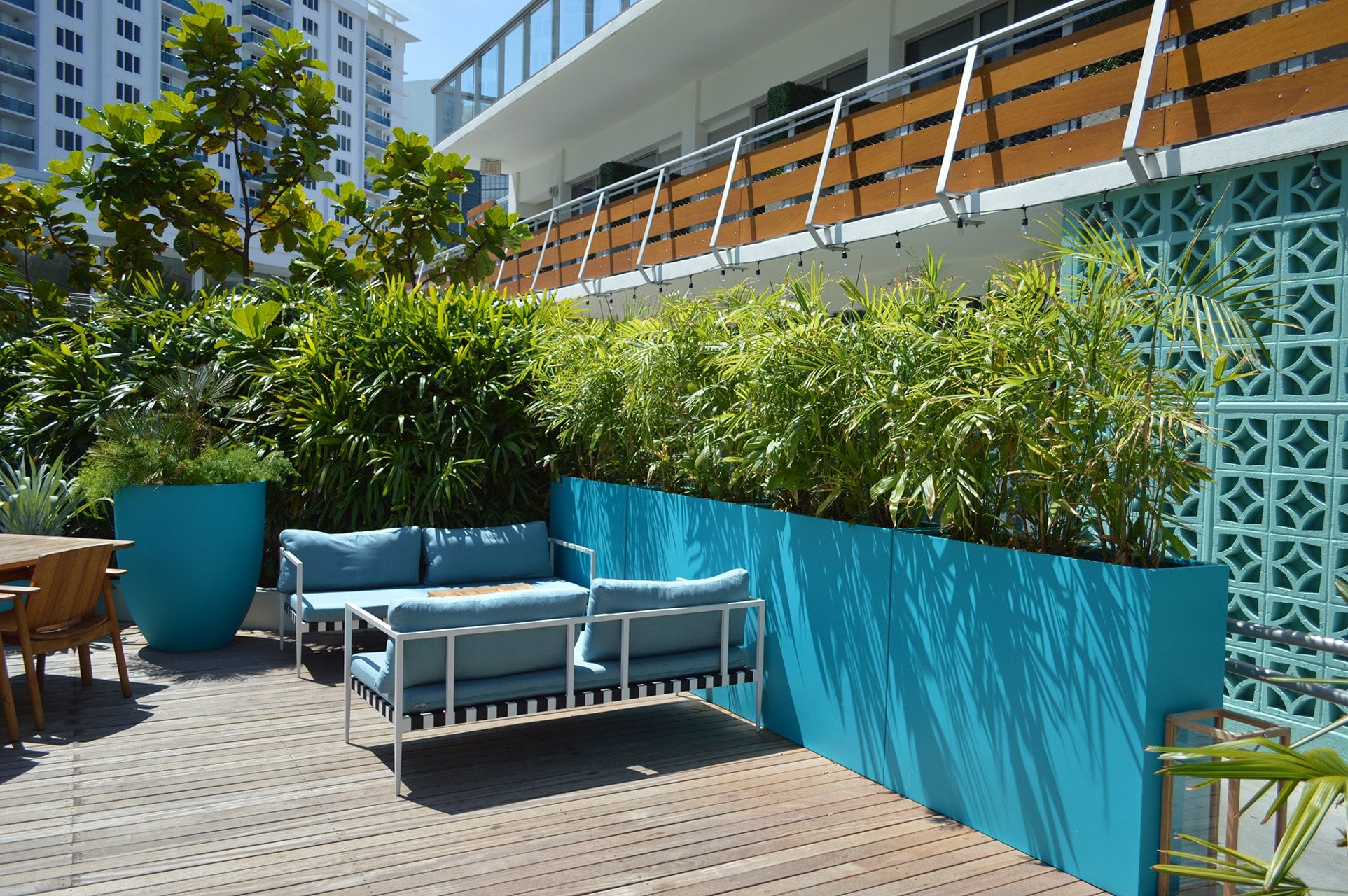
Use tall and wide fiberglass containers to create privacy screens or barriers. Plant tall shrubs like Boxwood or Arborvitae in a row of planters to provide privacy or define specific areas in your outdoor space. This approach adds greenery and structure while offering privacy and sound reduction.
More on the Best Pots For Outdoor Plants!
5. Seasonal Decorative Plantings

Switch up your container garden with seasonal displays. Plant seasonal flowers, such as Pansies for spring, Petunias for summer, or Ornamental Kale for autumn. You could even take this a step further by adding decorative elements like branches, pumpkins, or ornaments to create festive arrangements for different holidays or occasions.
Vietnam CDM Offers You The Best Outdoor Planters Solutions Available
All of Vietnam CDM planters come with an industry-leading warranty for both residential and commercial use giving you peace of mind that your investment is safe, and that the form, function, and beauty of your new planter will last beyond expectations.
Are you a landscape architect or designer and want to get more customers with our planters? Contact us today to learn more about the exciting opportunities our wholesale range can deliver!
All our planters are available for retail customers too. Simply visit our store, select your planters, size, and finish and enjoy the incredible value at affordable prices!
Shop now and elevate your landscaping game!